
If you’re building a solar power system,kitting out an RV,or setting up a backup power supply for your home,you’ve probably come across two devices that sound similar:inverters and converters.While both deal with changing electrical current,they do completely different jobs.Using the wrong one can damage your equipment or leave you without power.
This short guide explains the key differences,typical use cases,and why Voltruc offers reliable solutions for both.
The Main Difference in One Sentence
- An inverter changes DC(direct current)from a battery or solar panel into AC(alternating current)used by household appliances.
- A converter usually changes AC(from the grid or generator)into DC to charge batteries or run DC devices.
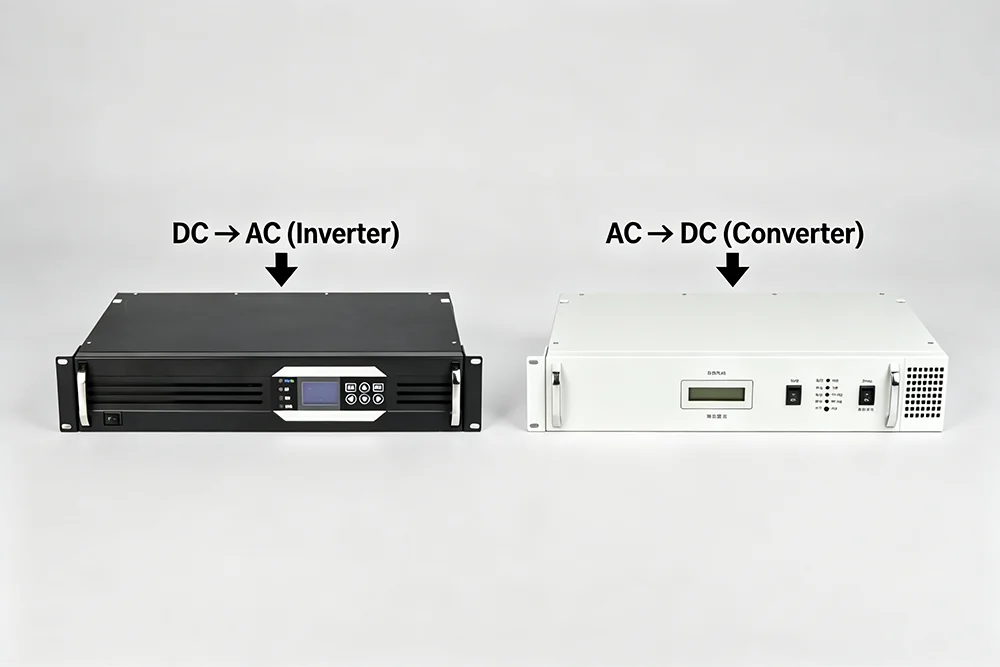
Inverter–DC to AC
What it does:
Takes low‑voltage DC power(e.g.,12V,24V,48V from batteries)and turns it into standard 110V/230V AC power that lights,fridges,TVs,and laptops use.
When you need it:
- Off‑grid solar systems(powering AC appliances from battery banks)
- RV or van life(running a microwave or coffee maker)
- Home backup power(keeping a few AC outlets live during a blackout)
- Truck or marine applications(powering tools or entertainment systems)
Voltruc Inverters deliver pure sine wave output,which is safe for sensitive electronics like medical devices or laptops.
Converter–AC to DC(or DC to DC)
What it does:
- AC to DC converter(rectifier):Takes shore power(grid or generator AC)and converts it to DC to charge batteries.
- DC to DC converter:Steps voltage up or down(e.g.,24V→12V)to run DC lights,fans,or USB ports.
When you need it:
- Charging a battery bank from a generator or mains outlet
- Running 12V appliances(LED lights,water pumps,refrigerators)in an RV or boat
- Stabilizing voltage for sensitive DC loads
Voltruc Converters are designed for high efficiency and safety,with built‑in protection against overcharging and short circuits.
Quick Comparison Table
| Feature | Inverter | Converter |
|---|---|---|
| Power flow | DC → AC | AC → DC (or DC → DC) |
| Typical input | Battery, solar panel | Grid, generator, or higher/lower DC source |
| Typical output | AC outlets (110V/230V) | DC terminals (12V/24V) or battery charging |
| Common use | Run household appliances off‑grid | Charge batteries / power DC devices |
Do You Need Both?
In many systems,yes.For example,in a solar camper van:
- The converter charges your house batteries when you plug into campground AC.
- The inverter lets you run a blender or laptop from those same batteries when off‑grid.
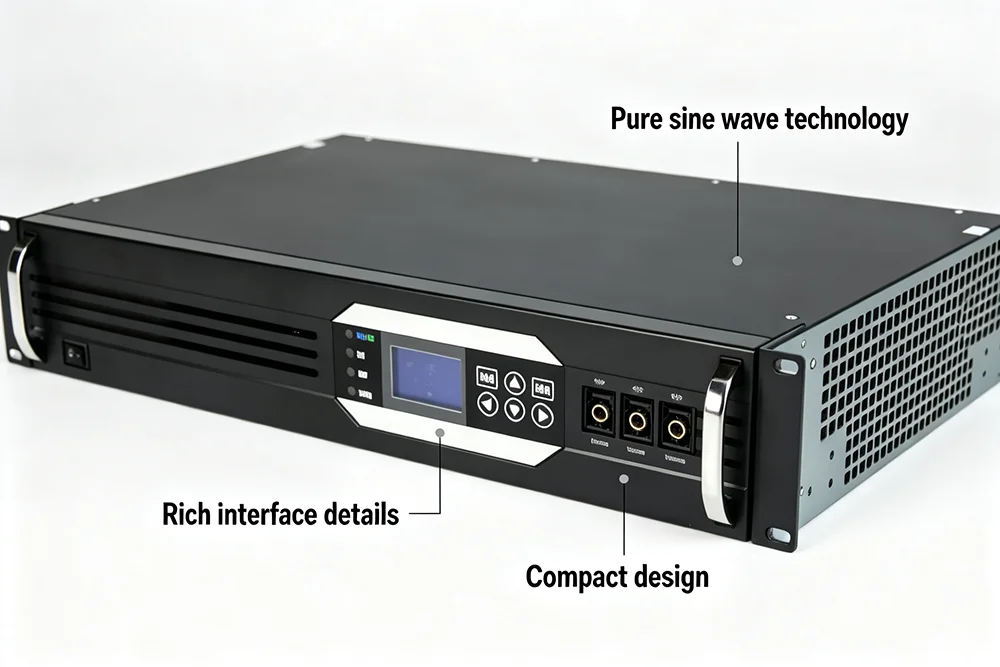
Why Choose Voltruc for Inverters and Converters?
Voltruc specializes in high‑quality power conversion equipment.Their inverters and converters are built with:
- Pure sine wave technology–No interference,no damage to sensitive gear.
- High efficiency–Less energy wasted as heat.
- Multiple safety protections–Overload,over‑temp,short circuit,and reverse polarity protection.
- Compact,quiet designs–Perfect for RVs,boats,and home solar systems.
Whether you need a stand‑alone Voltruc inverter,a Voltruc converter,or an all‑in‑one inverter‑charger(which combines both functions),you’ll find reliable performance at a fair price.
Final Takeaway
- Inverter=DC battery power→AC household power.
- Converter=AC shore power→DC battery/device power(or DC→DC).
- Voltruc offers both,so you can build a safe,efficient power system for your home,van,or boat.
Need help choosing the right model?Check out Voltruc’s product lineup–they have clear guides and support for every use case.