
In today’s world of modern electronics and renewable energy,the term inverter comes up frequently.But if you’ve ever asked yourself,“what is an inverter used for?”—you’re not alone.Inverters are essential devices that power everything from your home appliances during a blackout to the electric vehicle you drive.
In this article,we’ll explore what an inverter does,the different types available,and the wide range of industries and devices that rely on them.

What Is an Inverter?
An inverter is an electronic device that converts direct current(DC)into alternating current(AC).Most household appliances and industrial equipment run on AC power,while sources like solar panels,batteries,and car alternators produce DC power.The inverter bridges this gap,making stored or generated DC power usable for standard equipment.
Now,let’s dive into the core question:what is an inverter used for?
Primary Uses of Inverters
1.Solar Power Systems
One of the most common uses of inverters is in solar energy systems.Solar panels generate DC electricity.To power home appliances or feed energy back into the electrical grid,a solar inverter converts that DC into AC.Without an inverter,solar energy couldn’t be used in a standard home or business.
2.Backup Power and Uninterruptible Power Supplies(UPS)
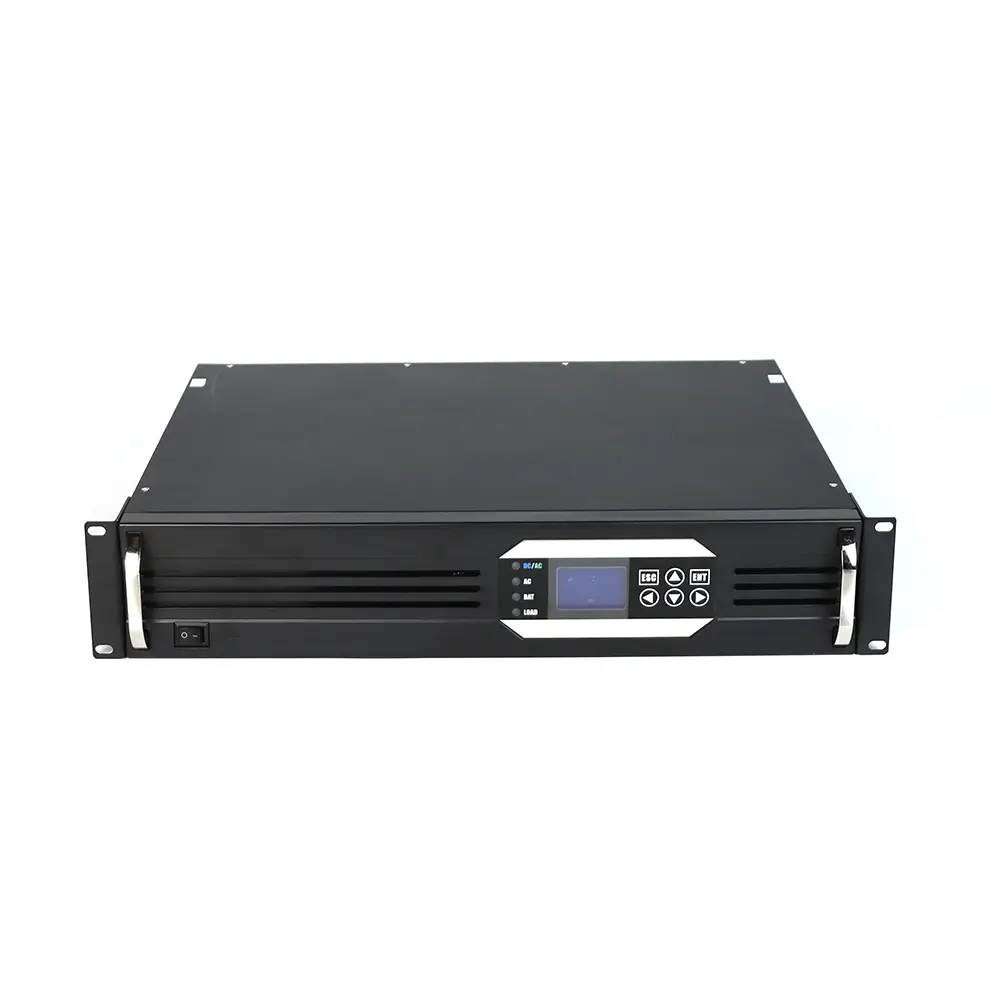
Inverters are a critical component of backup power systems.When the grid fails,batteries provide DC power.An inverter converts that DC to AC so that lights,refrigerators,medical devices,and other essentials continue to function.This is why inverters are central to UPS systems for data centers,hospitals,and homes.
3.Electric Vehicles(EVs)
Electric cars and hybrids rely heavily on inverters.The vehicle’s battery stores DC power,but the traction motor requires AC.A traction inverter converts the battery’s DC into AC to drive the motor.It also manages regenerative braking,converting AC from the motor back to DC to recharge the battery.
4.Industrial Motor Drives
In factories and industrial settings,inverters are used in variable frequency drives(VFDs).These devices control the speed and torque of AC motors by adjusting the frequency and voltage of the power supplied.This improves energy efficiency and extends equipment life in applications like conveyor systems,pumps,fans,and compressors.
5.Consumer Electronics and Appliances
Portable inverters are widely used in RVs,boats,trucks,and camping setups.They allow users to plug in laptops,TVs,small kitchen appliances,and power tools using a vehicle’s battery or a portable power station.In homes,microwave ovens,induction cooktops,and air conditioners often contain internal inverter technology to control power more efficiently than traditional on/off switching.
6.Medical Equipment
Hospitals and home healthcare settings use inverters to ensure critical devices like ventilators,oxygen concentrators,and patient monitors remain operational during power outages.Reliability and clean power output are essential in these applications.
7.Telecommunications and Data Centers
Cell towers,server rooms,and data centers depend on inverters in their backup power architecture.A stable AC supply is crucial for maintaining network connectivity and preventing data loss during grid disturbances.
8.HVAC Systems
Modern heating,ventilation,and air conditioning(HVAC)systems often incorporate inverter technology in compressors and fans.Inverter-driven HVAC units adjust compressor speed to match cooling or heating demand,resulting in significant energy savings and quieter operation compared to fixed-speed systems.
Types of Inverters by Application
| Type | Common Use |
|---|---|
| Solar Inverters | Residential and commercial solar arrays |
| Traction Inverters | Electric and hybrid vehicles |
| Stand-alone Inverters | Off-grid systems, RVs, boats |
| Grid-tie Inverters | Solar systems connected to utility grid |
| Microinverters | Individual solar panel optimization |
| UPS Inverters | Backup power for critical equipment |
| VFD Inverters | Industrial motor speed control |
Why Understanding Inverter Use Matters
Whether you’re considering solar panels for your home,buying an electric vehicle,or simply looking for a reliable backup power solution,knowing what an inverter is used for helps you make informed decisions.Inverters not only provide convenience but also play a key role in energy efficiency,sustainability,and modern infrastructure.
Conclusion
So,what is an inverter used for?The answer spans nearly every sector of modern life—from renewable energy and transportation to healthcare,manufacturing,and home comfort.As technology continues to evolve,inverters will remain a foundational component in the shift toward cleaner energy and smarter power management.
If you’re planning to install a solar system,buy an EV,or set up backup power for your home,understanding inverters is your first step toward a more resilient and efficient energy future.