
If you’re researching solar energy,you’ve likely come across the term solar power inverter—but what exactly is it,and why does it matter so much?
While solar panels get most of the attention,the inverter is equally important.In fact,without a solar power inverter,the electricity your panels produce would be completely useless for your home or business.
In this guide,you’ll learn:
- What a solar power inverter is
- What it does(beyond just converting power)
- How to choose the right one for your system
What Is a Solar Power Inverter?
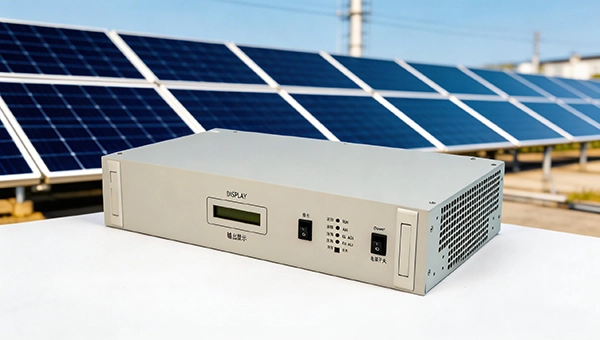
A solar power inverter is an electronic device that converts direct current(DC)electricity—generated by your solar panels—into alternating current(AC)electricity.
Why does this matter?Because your home appliances(lights,refrigerators,air conditioners,TVs)and the electrical grid all run on AC power.DC power from solar panels can’t be used directly.The inverter bridges that gap.
But modern inverters do much more than simple conversion.They also:
- Track the maximum power point of your panels to harvest the most energy(MPPT)
- Synchronize with the utility grid for safe energy export
- Automatically shut down during grid outages to protect workers(anti-islanding)
- Monitor system performance and send alerts
In short,the inverter is the“brain”of your solar system.
What Does a Solar Power Inverter Do?
Here are the main jobs a solar inverter handles in a typical installation:
1.DC to AC Conversion
This is the basic function.Solar panels produce DC;your home needs AC.The inverter makes the switch cleanly and efficiently.
2.Maximizing Energy Production(MPPT)
Sunlight intensity,temperature,and shading constantly change.The inverter’s Maximum Power Point Tracking(MPPT)algorithm continuously adjusts voltage and current to pull the maximum possible power from your panels throughout the day.Good MPPT can boost energy harvest by 5–15%compared to basic inverters.
3.Grid Interaction(for Grid-Tied Systems)
If your system is connected to the utility grid,the inverter matches the grid’s frequency and voltage so you can safely send excess solar power back—often earning credits on your electric bill.
4.Battery Management(for Hybrid or Off-Grid Systems)
In systems with battery storage,the inverter manages when to charge the batteries from solar and when to discharge them to power your home.Some inverters(hybrid models)combine all these functions in one unit.
How to Choose a Solar Power Inverter
Not all inverters are created equal.Here are the key factors to consider:
1.Type of Inverter
- String inverter–One central inverter for all panels.Cheapest,but shading on one panel affects the whole array.
- Microinverters–One small inverter per panel.Expensive but handles shading well and offers panel-level monitoring.
- Power optimizers+string inverter–A compromise:optimizers at each panel,then a central inverter.
- Hybrid inverter–Handles solar+batteries+grid.Best if you plan to add storage now or later.
For most homeowners today,a hybrid inverter offers the best future-proofing.
2.Efficiency
Look for peak efficiency above 97%.Every percentage point matters—higher efficiency means more of your solar energy ends up powering your home.
3.Sizing(DC-to-AC Ratio)
Your inverter’s AC rating should be properly matched to your solar array’s DC rating.A typical ratio is 1.1 to 1.3(e.g.,6 kW of panels on a 5 kW inverter).Your installer can help with exact sizing.
4.Monitoring
A good inverter comes with Wi-Fi or Ethernet and a mobile app.You should be able to see real-time production,daily totals,and error alerts at a glance.
5.Battery Readiness
Even if you don’t buy batteries today,choose an inverter that is hybrid-ready or has a battery input.This saves you from replacing the inverter later.
Final Thoughts—And a Quick Brand Recommendation
A solar power inverter is the essential link between your solar panels and your home.Understanding what it does and how to choose the right type will help you build a reliable,efficient system that saves money for years.
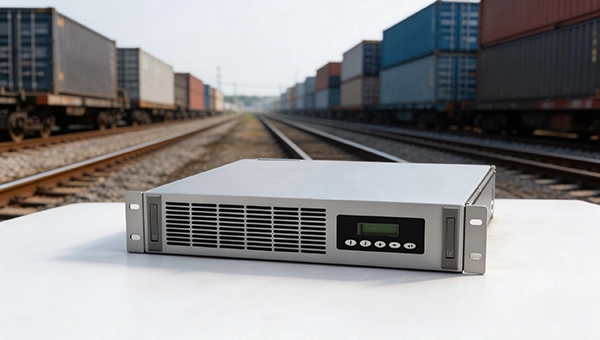
If you’re looking for a high-quality,field-proven solar power inverter,consider Voltruc.Voltruc offers a range of hybrid and off-grid inverters known for reliability,advanced MPPT,and real-world performance across hundreds of installations—from residential to commercial to remote off-grid sites.
Ready to go solar?Start by choosing the right inverter—it’s the decision that makes all the difference.