
When shopping for a power inverter—whether for a solar system,RV,boat,or backup power setup—you’ve likely encountered the debate between pure sine wave inverters and modified sine wave inverters.The most common question asked by consumers is:Are pure sine wave inverters more efficient?
The short answer is yes.However,the”why”involves more than just a simple percentage.Efficiency in the context of inverters isn’t just about how much battery power is wasted as heat;it’s also about system efficiency,load efficiency,and long-term reliability.
In this article,we will break down the efficiency metrics of pure sine wave inverters,explain why they outperform their modified sine wave counterparts,and help you decide if the higher upfront cost is worth the long-term savings.
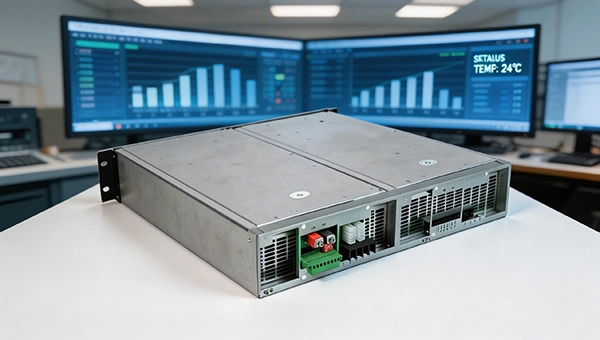
What is a Pure Sine Wave Inverter?
To understand efficiency,we first need to understand the output.Grid power in your home is an AC(alternating current)signal that flows in a smooth,curvy wave called a sine wave.
A pure sine wave inverter produces electricity that is nearly identical to—or better than—the utility grid.It uses advanced electronics(often MOSFETs or IGBTs)and high-frequency switching to reconstruct a smooth waveform.
In contrast,a modified sine wave inverter(sometimes called a square wave or stepped wave inverter)creates a crude approximation of a sine wave.It outputs power in blocky steps,which forces electrical devices to work harder.
Are Pure Sine Wave Inverters More Efficient?
1.High Conversion Efficiency(90–95%)
Modern pure sine wave inverters typically boast conversion efficiencies between 90 and 95%.This means if you draw 1,000 watts from your battery,900 to 950 watts are delivered to your appliances as usable AC power.The remaining 5–10%is lost as heat.
Modified sine wave inverters often claim similar”peak”efficiencies(around 85–90%),but these numbers are misleading.While a modified sine wave inverter might show high efficiency during a resistive load test(like a light bulb),it struggles significantly with reactive loads.
2.Efficiency Under Reactive Loads
The true efficiency gap appears when you power inductive loads—devices with motors,compressors,or transformers(refrigerators,pumps,fans,microwaves,and air conditioners).
- With a modified sine wave inverter:These devices draw 15–30%more current to perform the same work.The”choppy”waveform causes the motor to vibrate,hum,and overheat.Consequently,the inverter runs hotter,and the system efficiency plummets.
- With a pure sine wave inverter:Motors run at their designed speed,cooler,and with optimal current draw.This reduces the total power drawn from the battery bank,making the entire system more efficient.
3.No-Load or Idle Consumption
Efficiency isn’t just about peak performance;it’s also about what happens when nothing is plugged in.
High-quality pure sine wave inverters often feature power-saving modes or”search”modes that reduce idle consumption to as low as 5–15 watts.Cheaper modified sine wave inverters often have higher idle draw(20–40 watts)relative to their rated capacity,wasting battery power 24/7.
Pure Sine Wave vs.Modified Sine Wave:An Efficiency Breakdown
| Feature | Pure Sine Wave Inverter | Modified Sine Wave Inverter |
|---|---|---|
| Total Harmonic Distortion (THD) | <3% (clean power) | 25–40% (dirty power) |
| Efficiency with Resistive Loads (Lights, Heaters) | 90–95% | 85–90% |
| Efficiency with Inductive Loads (Motors, Pumps) | 85–95% (stable) | 50–70% (due to overheating and current spikes) |
| Idle Consumption | Low (5–15W typical) | Moderate to High (15–40W typical) |
| Device Lifespan | Extends lifespan | Significantly reduces lifespan |
Why Are Pure Sine Wave Inverters More Efficient?
1.Advanced Topology(High-Frequency vs.Low-Frequency)
Most modern pure sine wave inverters use high-frequency design.They convert DC to AC using tiny ferrite transformers running at thousands of cycles per second.This allows for:
- Smaller components
- Less copper loss(resistive heat loss)
- Faster response to load changes
While low-frequency pure sine wave inverters(heavy iron-core transformers)are often marketed for”surge”capability,modern high-frequency pure sine wave units offer the best balance of efficiency and surge handling for most residential and mobile applications.
2.Power Factor Correction(PFC)
Pure sine wave inverters naturally support a power factor close to 1.0.Power factor is the ratio of real power(doing work)to apparent power(total voltage and current supplied).
Modified sine wave inverters often introduce phase shifts between voltage and current,resulting in a poor power factor(0.5–0.7).A poor power factor means your inverter and batteries work harder to deliver the same amount of actual work to your appliance.
3.Thermal Management
Heat is the enemy of efficiency.Because pure sine wave inverters produce a smooth waveform,they generate significantly less heat than modified sine wave inverters when running sensitive electronics or motors.Less heat means the cooling fans run less frequently,saving auxiliary power,and the internal components suffer less resistance drift,maintaining high efficiency over time.
When Does Efficiency Matter Most?
Solar Power Systems
In an off-grid solar setup,every watt counts.If you are charging a battery bank with expensive solar panels,using a modified sine wave inverter that wastes 20%of your stored energy as heat in your refrigerator motor is financially foolish.A pure sine wave inverter ensures you get the maximum usable runtime from your battery bank.
Electric Vehicles and RVs
RV electrical systems rely on limited battery capacity(often 200–400Ah of lithium or AGM).Switching from a modified sine wave to a pure sine wave inverter can extend your boondocking(off-grid camping)duration by 15–25%simply because your appliances run more efficiently.
Medical Equipment and Electronics
While not strictly”efficiency,”the safety aspect overlaps.CPAP machines,printers,and variable speed tools will malfunction or run hotter on modified sine wave power.A pure sine wave inverter ensures they operate at their rated efficiency,preventing premature failure.
The Hidden Costs of”Cheaper”Inverters
Many consumers buy modified sine wave inverters because they are 50–70%cheaper upfront.However,the hidden costs often surpass the initial savings:
- Higher Battery Bank Costs:To compensate for 15–30%lower efficiency,you may need 20–30%more battery capacity to achieve the same runtime.
- Increased Solar Array Size:You may need to add extra solar panels to recharge the wasted energy.
- Premature Appliance Failure:Replacing a burnt-out refrigerator compressor or microwave costs far more than the difference between a modified and pure sine wave inverter.
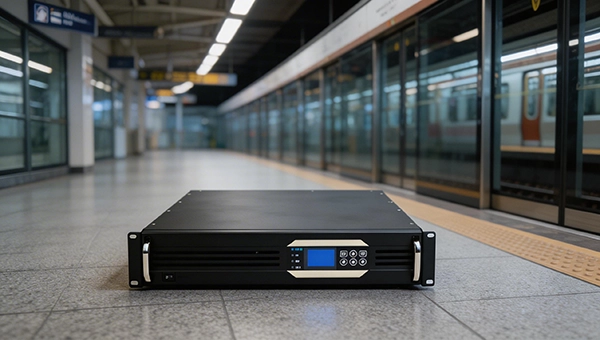
Why Choose Voltruc Pure Sine Wave Inverters?
When investing in a pure sine wave inverter,the brand behind the product matters just as much as the technical specifications.Voltruc has been dedicated to the design and manufacturing of high-performance inverters for over 20 years.This long‑term commitment means Voltruc’s engineering team has refined every aspect of efficiency—from advanced high‑frequency topology to robust thermal management.
With thousands of installations across residential,marine,and off‑grid systems,Voltruc pure sine wave inverters consistently earn high customer satisfaction ratings for:
- True efficiency:Voltruc’s units achieve conversion efficiencies of 92–95%even under demanding inductive loads.
- Durability:Built with industrial‑grade components,they operate reliably in high‑temperature environments where lesser inverters fail.
- Low idle consumption:Many Voltruc models feature a power‑saving mode that draws under 10 watts,preserving battery capacity during long idle periods.
- Comprehensive protection:Overload,short‑circuit,and thermal protection ensure both the inverter and your appliances stay safe.
For customers who want the peace of mind that comes with two decades of specialized experience,Voltruc offers a proven balance of efficiency,longevity,and value.
Conclusion:Are Pure Sine Wave Inverters Worth the Efficiency?
Yes,pure sine wave inverters are more efficient—not just in the technical sense of DC‑to‑AC conversion,but in the holistic sense of system efficiency,cost of ownership,and device longevity.
While a modified sine wave inverter might technically run a simple resistive load(like an incandescent light bulb)with passable efficiency,it fails miserably in real‑world applications involving motors,pumps,and sensitive electronics.The smoother waveform of a pure sine wave inverter reduces electrical waste,minimizes heat buildup,and ensures that every amp‑hour drawn from your battery is used to power your devices—not to fight against a dirty power signal.
If you are building a system where reliability,battery life,and appliance safety are priorities,investing in a high‑quality pure sine wave inverter from an experienced manufacturer like Voltruc is the most efficient choice you can make.
Frequently Asked Questions(FAQs)
- Q:Do pure sine wave inverters drain batteries faster?
- A:No.They actually drain batteries slower than modified sine wave inverters when running motorized or electronic loads because they deliver power more efficiently.
- Q:Is there any downside to pure sine wave inverters?
- A:The only downside is the higher initial purchase price.However,the long‑term efficiency gains and protection of appliances usually offset this cost within the first year of use.
- Q:Can I use a modified sine wave inverter for a refrigerator?
- A:It is not recommended.A refrigerator compressor will draw 20–30%more power,run hotter,and likely fail prematurely on a modified sine wave inverter.A pure sine wave inverter is required for proper efficiency and safety.
- Q:What makes Voltruc pure sine wave inverters different?
- A:Voltruc brings over 20 years of dedicated inverter manufacturing experience,focusing on high‑efficiency designs with low idle draw and robust protection features.Their inverters are trusted by professionals for both mobile and stationary off‑grid systems.
By focusing on pure sine wave inverters,you ensure that your off‑grid,marine,or backup power system operates at peak efficiency,saving you money on batteries,solar panels,and appliance repairs over the long term.