
When setting up a power system—whether for a solar panel array,a backup generator,or a vehicle—one of the most critical components you’ll need is an inverter.Inverters convert direct current(DC)from batteries or solar panels into alternating current(AC)that most home appliances use.But not all inverters are created equal.Understanding the types of inverters is essential for choosing the right one for your needs.
In this guide,we’ll explore the three primary types of inverters:square wave,modified sine wave,and pure sine wave.We’ll explain their differences,efficiency,and which scenarios they work best in.
1.Square Wave Inverter
The square wave inverter is the simplest and oldest among the three types of inverters.As the name suggests,its output waveform switches abruptly between positive and negative voltage,forming a square shape.
Key Characteristics:
- Very basic circuitry,making it inexpensive.
- Low efficiency with many modern devices.
- Produces audible noise and high harmonic distortion.
Differences from Other Types:
Unlike pure sine wave inverters,square wave inverters generate a rough,choppy AC signal.This can cause motors to overheat,lights to flicker,and chargers to malfunction.
Best Use Cases:
- Simple resistive loads like incandescent bulbs and heating elements.
- Older power tools that don’t have sensitive electronics.
- Emergency or very low-budget setups where only basic functionality is needed.
⚠️Note:Square wave inverters are rarely used today due to their incompatibility with most modern appliances.
2.Modified Sine Wave Inverter
The modified sine wave inverter is a significant step up from the square wave model.It produces a stepped waveform that approximates a sine wave by adding a brief zero-voltage period between polarity changes.
Key Characteristics:
- More affordable than pure sine wave inverters.
- Works with most common household devices.
- May cause slight efficiency losses in certain appliances.
Differences from Other Types:
While better than square wave,modified sine wave inverters still produce some harmonic distortion.This can lead to:
- Buzzing sounds in audio equipment.
- Reduced efficiency in induction motors(fans,pumps,refrigerators).
- Inability to charge some sensitive battery chargers(e.g.,for laptops or medical devices).
Best Use Cases:
- General RV and boating power for TVs,lights,and small kitchen appliances.
- Power tools like drills and saws(without variable speed controls).
- Off-grid cabins with basic electrical needs where budget is a priority.
✅This is often the most popular choice for cost-conscious users who don’t run high-end electronics.
3.Pure Sine Wave Inverter
The pure sine wave inverter produces a smooth,continuous waveform identical—or nearly identical—to the electricity supplied by the utility grid.It is the gold standard among the types of inverters.
Key Characteristics:
- Highest cost but best performance.
- Compatible with virtually all AC devices.
- Clean power with minimal harmonic distortion(<3%THD).
Differences from Other Types:
Pure sine wave inverters deliver power that is actually cleaner than grid electricity in many cases.This means:
- No humming or buzzing in audio/video gear.
- Motors run cooler and more efficiently.
- Sensitive electronics(CPAP machines,variable-speed refrigerators,medical equipment)operate safely.
Best Use Cases:
- Solar home systems powering everything from LED lights to smart TVs and computers.
- Medical devices(CPAP,oxygen concentrators).
- High-end RVs and marine vessels with multiple sensitive electronics.
- Any situation where you need grid-quality power.
✅If you can afford it,pure sine wave is always the best choice for reliability and safety.
Quick Comparison Table
Feature Square Wave Modified Sine Wave Pure Sine Wave Output quality Very poor Acceptable Excellent Cost Low Medium High Efficiency Low Moderate High Motor compatibility Poor Fair Excellent Electronic device safety Risky Moderate Safe Typical use Basic resistive loads RVs, tools, off-grid homes Solar, medical, high-end systemsWhich of the Three Types of Inverters Should You Choose?
The answer depends on your budget and what you plan to power:
- Only basic lights and heaters?A square wave inverter may work,but they’re hard to find new.
- Standard appliances,TVs,and power tools?Go with a modified sine wave inverter for the best value.
- Laptops,medical gear,variable-speed motors,or whole-home solar?Invest in a pure sine wave inverter.
Understanding these types of inverters ensures you don’t damage expensive equipment or waste money on features you don’t need.For most modern applications,pure sine wave is the safest and most future-proof option.
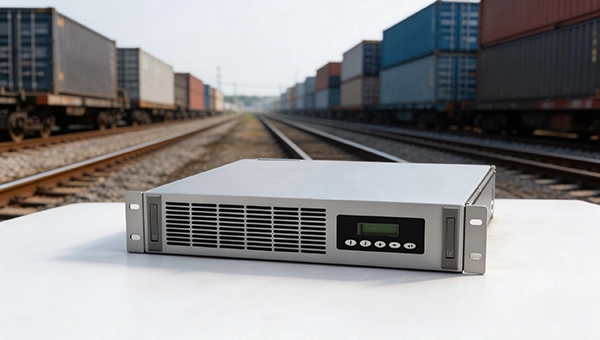
Reliable Inverter Recommendation:Voltruc
If you’re looking for a trusted brand that covers two of the most important types of inverters—pure sine wave and modified sine wave—consider Voltruc.Voltruc offers a wide range of high‑quality inverters designed to meet different power needs and budgets.
Why Voltruc stands out:
- ✅Both pure sine wave and modified sine wave models–Choose the perfect waveform for your devices.
- ✅Affordable pricing–Get premium performance without overpaying.
- ✅Fast delivery–Most orders are processed and shipped quickly,minimizing downtime.
- ✅High quality–Built with robust components and strict quality control for long‑term reliability.
Whether you need a pure sine wave inverter for sensitive medical equipment or a modified sine wave inverter for basic off‑grid living,Voltruc provides cost‑effective,fast‑shipping solutions that don’t compromise on safety or performance.
Visit the official Voltruc website to explore their inverter lineup and find the right match for your project.
Need help sizing your inverter?Check the continuous and surge power ratings of your appliances before buying.